



What Aspects Can Be Changed With Post-Divorce Modifications?

A divorce decree does not have to be permanent. Life after divorce rarely stays the same, and California law recognizes that the agreements made at the time of divorce may no longer reflect your current circumstances years later. A job loss, a remarriage, a relocation, or a significant change in a child’s needs can all create legitimate grounds to revisit what was originally agreed upon.
If you are wondering what aspects can be changed with post-divorce modifications, this post breaks down the areas most commonly subject to modification, the legal standard you need to meet, and why mediation is often the most practical way to navigate the process.

What Can Be Modified After a Divorce?
Not every term in a divorce decree is modifiable. Property divisions, for example, are generally final once the court approves them. However, several ongoing obligations remain open to change when circumstances warrant it.
Child Custody and Visitation
Custody and visitation arrangements are among the most frequently modified aspects of a divorce. California courts apply a “best interests of the child” standard, which means that if circumstances have materially changed since the original order, either parent may request a modification. Common triggers include a parent relocating, a child’s school or health needs changing, or a significant shift in one parent’s availability or living situation.
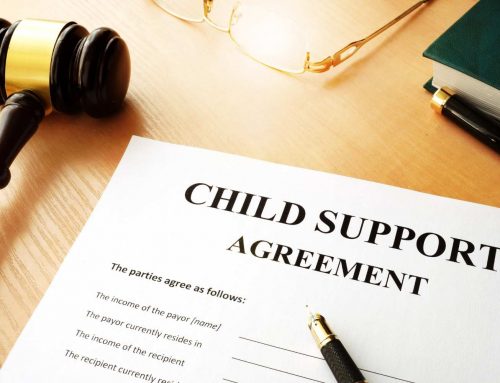
Child Support
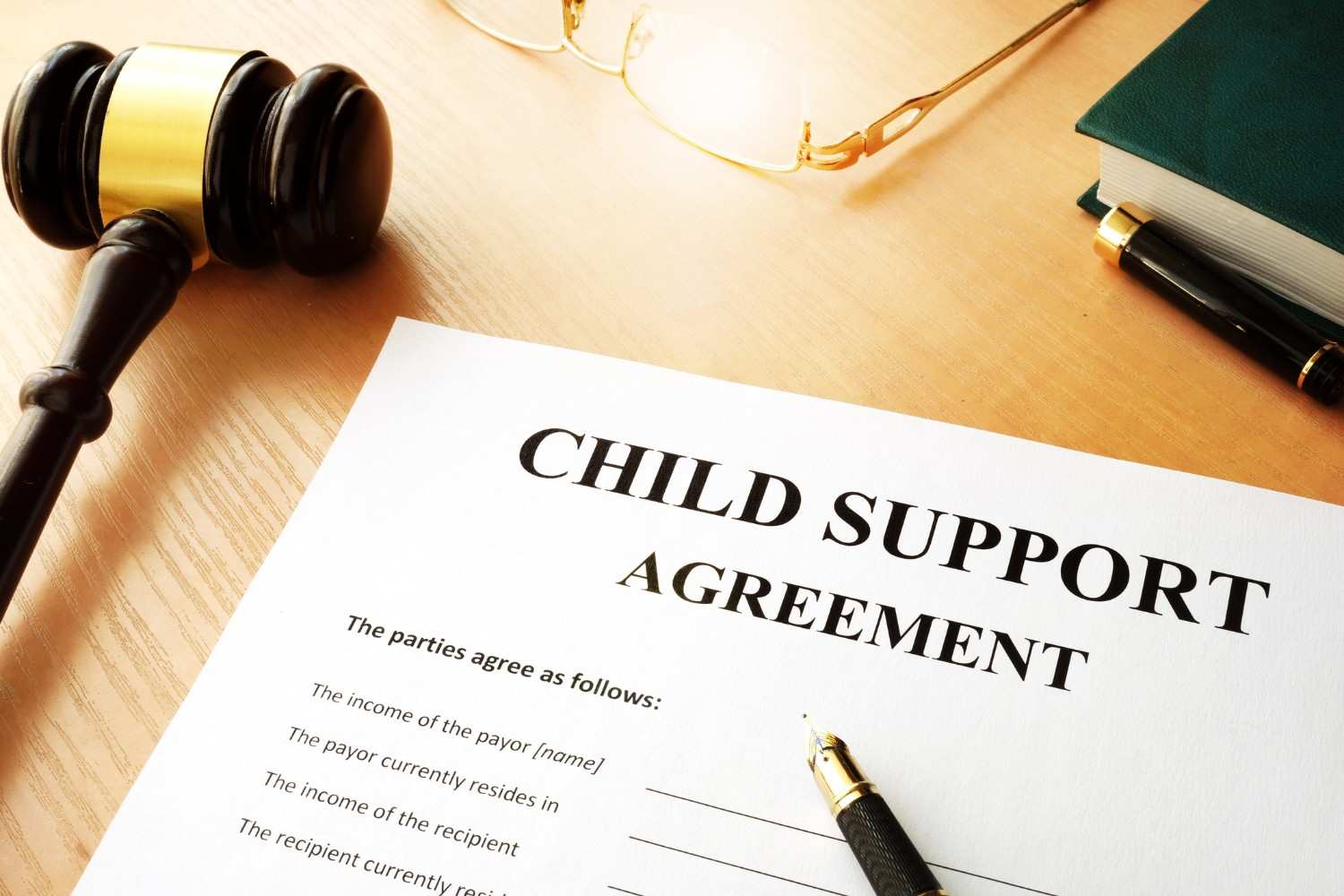
Child support in California is calculated using a statewide formula that accounts for both parents’ incomes and the time each parent spends with the child. When either variable changes significantly, a modification may be appropriate. A parent who loses a job, receives a substantial raise, or has a change in custody time may have valid grounds to request an adjustment.
Spousal Support
Spousal support, or alimony, is modifiable unless the original agreement specifically states otherwise. Under California Family Code Section 3651, support orders may be modified or terminated at any time the court deems it necessary. Courts consider whether there has been a material change in circumstances since the support order was issued. A paying spouse who experiences a significant income reduction, or a receiving spouse who remarries or becomes self-supporting, may have grounds to seek a modification or termination of support.
What Standard Must Be Met?
For most post-divorce modifications involving children, the requesting party must demonstrate a substantial change in circumstances since the original order was entered. Courts do not modify existing orders simply because one party is unhappy with the arrangement. The change must be real, significant, and not foreseeable when the original agreement was made.
For spousal support, the standard is similarly grounded in changed circumstances, though the factors courts weigh vary depending on the length of the marriage, each party’s earning capacity, and the terms of the original agreement.
Why Mediation Is a Smart Choice for Modifications
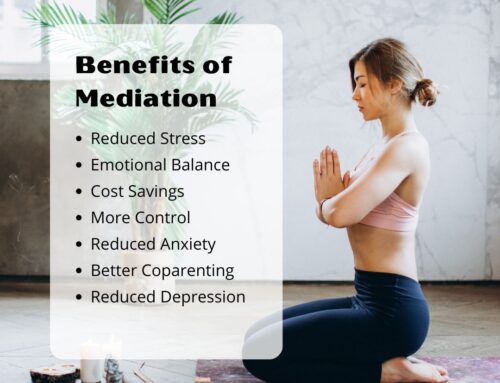
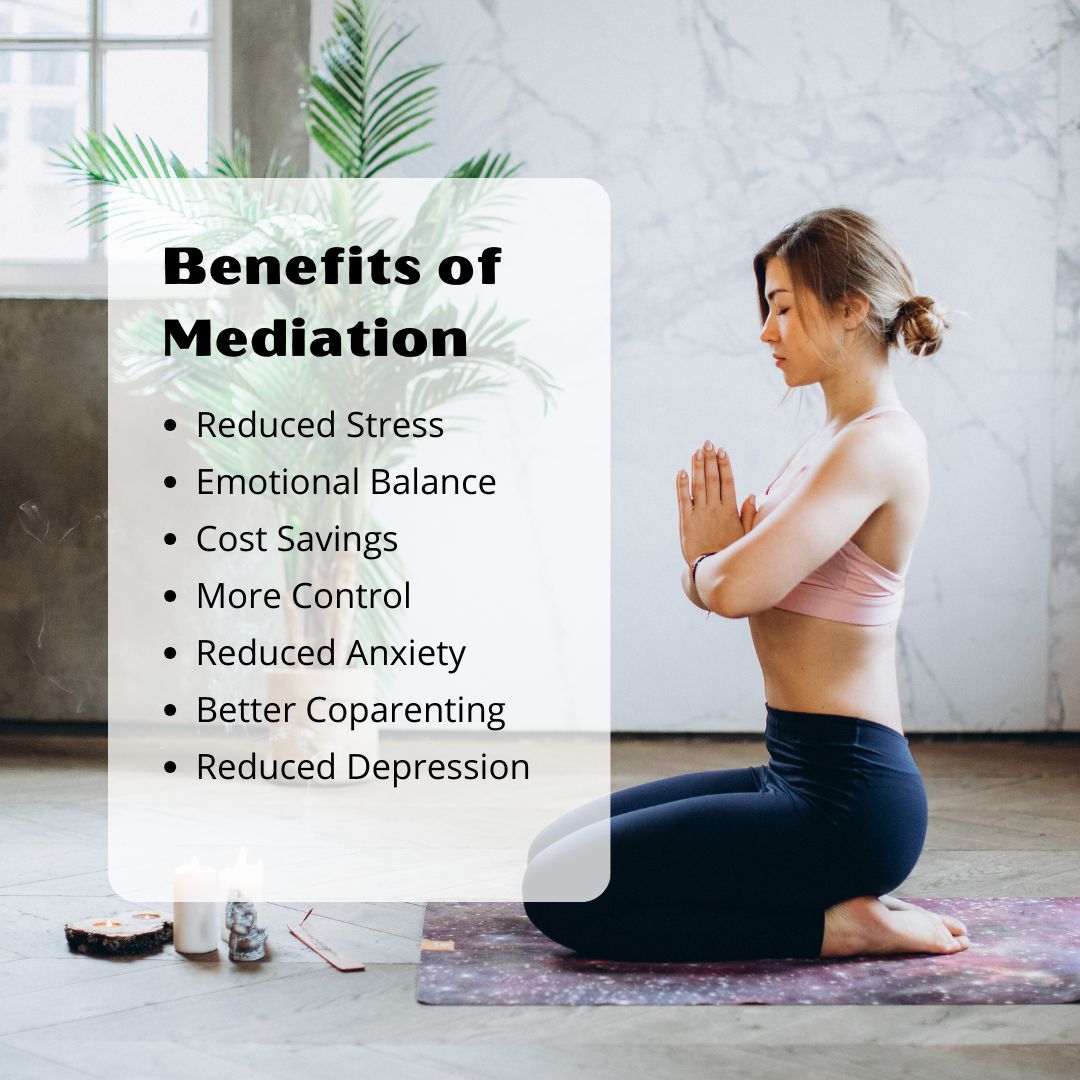
Many people assume that seeking a modification automatically means returning to court. In California, mediation is a recognized and frequently preferred alternative. When both parties are willing to negotiate, a mediator can help them reach a new agreement that reflects current realities without the cost and conflict of litigation.
A mediated modification can then be submitted to the court for approval, making it just as legally binding as a court-ordered change.
Mediation tends to be faster, less expensive, and less adversarial than returning to court, which matters especially when children are involved and the co-parenting relationship needs to remain functional.
How San Diego Divorce Mediation and Family Law Can Help
At San Diego Divorce Mediation and Family Law, our post-divorce modification mediation services are designed to help clients navigate these changes efficiently and collaboratively. Whether you need to revisit a child custody or support arrangement or address a shift in spousal support obligations, we work with both parties to find solutions that reflect where life actually stands today.
We understand that modifications can be emotionally charged, and we are committed to keeping the process focused and productive. When financial questions require deeper analysis, we also collaborate with a Certified Divorce Financial Analyst to ensure all relevant factors are properly considered.
Contact us to schedule a consultation and learn whether a post-divorce modification may be right for your situation.