



How to Reduce the Cost of Divorce Mediation in California

How to Save Money on Divorce Mediation in California
Divorce doesn’t have to drain your wallet—or your peace of mind. Mediation can help couples work through divorce decisions while managing costs and keeping control over their settlement terms.
Before we dive into cost-saving tips, let me make one thing clear:
On this page (5 sections)

Your Mediator Makes or Breaks Your Mediation
I firmly believe that the key to a successful mediation is your mediator.
I have been a California attorney since 2004 and focus my practice on divorce mediation. Some couples come to me after mediation elsewhere has stalled. I help them identify what remains unresolved and work through the legal, financial, and practical questions behind those decisions.
What to Look for in the Right Mediator to Reduce Costs
Your ideal mediator should:
- Be a licensed family law attorney with divorce court experience
- Be a Certified Divorce Financial Analyst (CDFA) and finance expert
- Only mediate—never litigate
- Offer simple flat fees with no hidden charges
- Have a track record of success confirming all of this from real clients. Look for detailed reviews describing the mediator’s communication, financial knowledge, and approach to resolving disagreements.
💬 That’s me. I’m Scott Levin, California’s Chief PeaceKeeper™. I have conducted 2,500+ mediations and help couples work through the legal and financial decisions involved in divorce.
5 Proven Tips to Reduce Mediation Costs
1. Be Prepared
We provide a detailed pre-mediation checklist to all clients. As our client, you will be coached so that you arrive prepared for your mediation sessions. This means that you show up with:
- Organized financial documents
- A clear idea of your goals and boundaries
- A willingness to move forward
This will mean that you’re maximizing the time spent with your mediator by having substantive discussions. While your mediator can help with forms and reviewing bank statements, that time is better spent sharing the expertise you hired them to provide.
2. Limit Session Length
In my practice, mediation meetings usually last about 90 minutes. This can help reduce fatigue and keep the discussion focused and manageable.
3. Mediate Early
Don’t wait until court battles start. Early mediation avoids costly legal filings and emotional wear-and-tear.
4. Ask About Your Mediator’s Role
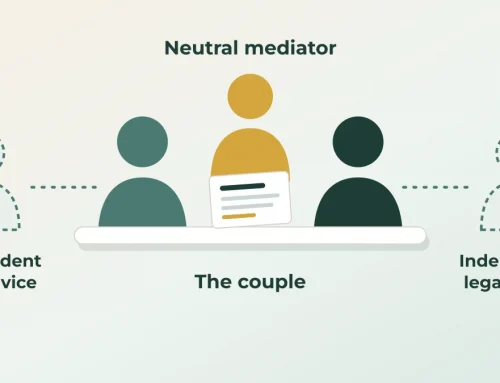
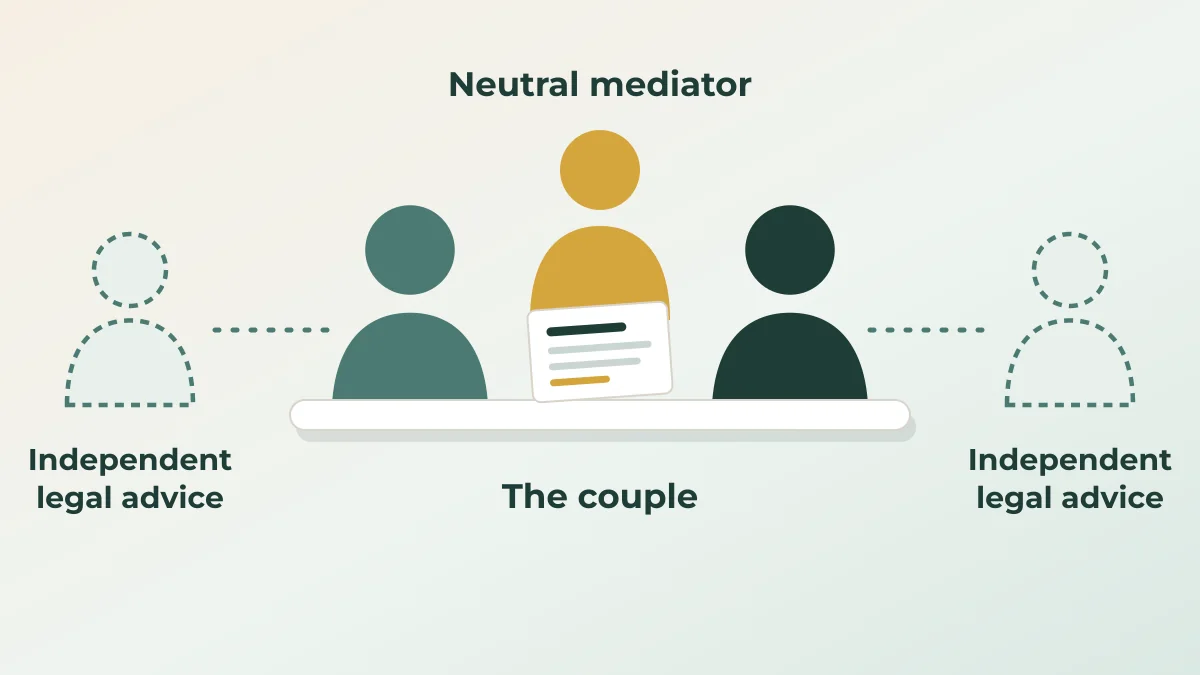
Some attorneys both mediate and represent clients in court. Ask whether the professional will serve as a neutral mediator or advise one spouse, and what the engagement includes. In mediation, I work with both spouses as a neutral and represent neither one.
5. Know Your Goals and Priorities
A clear understanding of your needs, wants, and areas for compromise helps streamline mediation and reduce costs. Knowing what matters most to you—and anticipating your spouse’s priorities—creates a more efficient negotiation process based on mutual respect.
Before mediation, consider:
✔ Custody Preferences – What parenting schedule works best?
✔ Asset Division – Which assets do you want to keep or let go?
✔ Financial Support – How much can you pay or need to receive?
If you enter mediation without a clear idea of these key issues, you’ll spend more time (and money) working through them during the process rather than focusing on solutions.
Let’s Keep Your Divorce Peaceful—and Affordable
If you’re ready to save money, reduce stress, and stay in control of your divorce, I’d love to help. You can read how my divorce mediation service works before you book.
👉 Talk About Mediation With Scott
📧 Email me directly at scott@sandiegofamilylawyer.net
Wondering whether mediation fits your situation? Talk with Scott in a 15-minute introductory call. There is no charge for the call.On the booking page, choose “15 Minute Consultation Call.” Paid sessions, such as the Divorce Strategy Session, are listed separately.