



How to Resolve Child Support Disputes Without Litigation
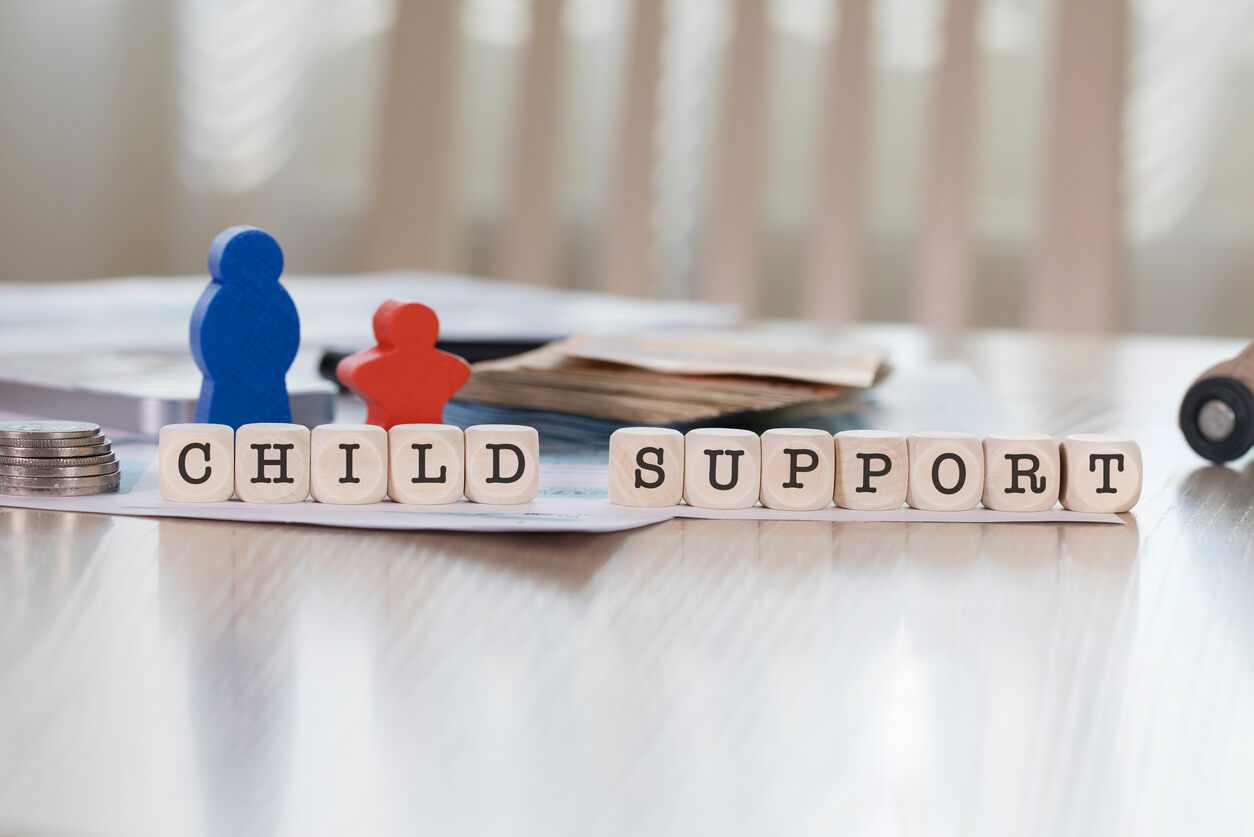
Child support disagreements are among the most emotionally charged issues that arise during or after a divorce. When parents can’t agree on an amount, modification, or payment terms, the instinct is often to head to court. But litigation isn’t the only path forward, and for many families in San Diego, it isn’t the best one either. Mediation offers a way to resolve child support disputes that keeps both parents in control of the outcome, reduces conflict, and typically reaches a resolution faster and at a lower cost than a courtroom proceeding.
Understanding Why Child Support Disputes Arise
Child support disagreements don’t always stem from bad faith. They often reflect genuine differences in how each parent understands income, expenses, and the child’s needs. Common sources of conflict include changes in employment, disagreements over what counts as income, disputes about how much time each parent spends with the child, and questions about who covers medical, educational, or extracurricular expenses.
California uses a statewide guideline formula to calculate child support, but applying that formula requires accurate financial information from both parties. When one parent questions the other’s reported income, or when circumstances have changed since the original order was established, disputes tend to follow. A post-divorce modification is one of the most common situations where families return to the table.
How Mediation Addresses Child Support Disputes
In mediation, both parents work with a neutral third party to reach an agreement outside of court. For child support specifically, this typically involves three stages.
- Gathering and sharing financial information. Before any productive discussion can happen, both parties need to be working from the same financial picture. A mediator helps structure this exchange so that income, expenses, and any relevant changes in circumstances are clearly laid out. This is often where disputes are most easily resolved: many disagreements dissolve once both parties are looking at the same numbers.
- Applying the California guideline and identifying areas of flexibility. California’s guideline formula provides a starting point, but parents can agree to terms that differ from the guideline as long as both understand what the guideline would produce and both agree the variation serves the child’s best interests. A mediator with legal knowledge can help parents understand how the formula works and where there is room to negotiate, such as how to divide uninsured medical expenses, school costs, or childcare.
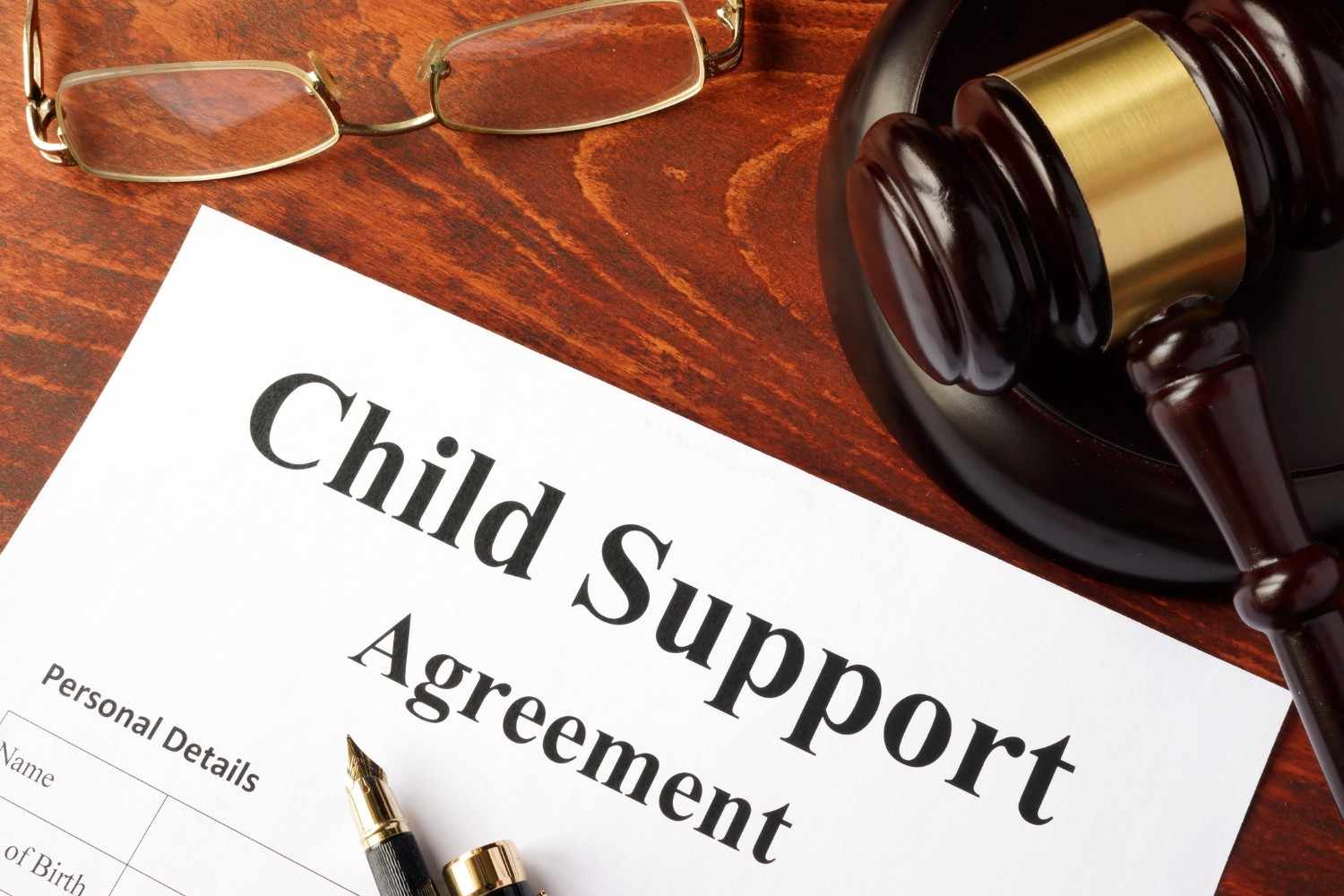
- Drafting a written agreement. Once parents reach terms, the agreement needs to be properly documented and submitted to the court for approval as a court order. A marital settlement agreement or stipulated order that is correctly drafted is far less likely to require future enforcement actions. Vague language in support agreements is one of the most common reasons families end up back in dispute.
Common Pitfalls to Avoid
Trying to negotiate child support without legal guidance often leads to agreements that don’t hold up. Parents sometimes agree to informal arrangements that were never approved by the court, leaving them without any enforcement mechanism if the paying parent stops complying. Others sign agreements they later want to modify, not realizing that changing a court-approved order requires going back through a formal process.
Mediation helps avoid these pitfalls by keeping the process structured and legally grounded from the start. It also tends to preserve the co-parenting relationship better than litigation, which matters considerably when parents will be raising children together for years to come. For families navigating custody alongside support, addressing both issues in the same process through child custody mediation can reduce the total time and cost involved.
When to Seek Professional Help
Not every child support dispute can be resolved through mediation alone. If there are concerns about hidden income, if one parent is uncooperative, or if there is a significant power imbalance between the parties, additional legal support may be needed alongside or instead of mediation. A consulting attorney can review any proposed agreement before it is signed to ensure it protects your interests.
How San Diego Divorce Mediation & Family Law Can Help
At San Diego Divorce Mediation & Family Law, child support disputes are handled with an understanding of both the legal framework and the family dynamics that make these conversations difficult. Our firm’s mediation-focused approach helps parents reach agreements that are legally sound, clearly written, and workable for both households.
Whether you are establishing support for the first time or seeking a modification based on changed circumstances, mediation can provide a more constructive path than litigation. Contact us to learn whether mediation is the right fit for your situation.