When Do Kids Handle Divorce Best? It’s Not About Age
At What Age Do Kids Handle Divorce Best? Spoiler: It’s Less About Age, More About the Atmosphere
Many parents ask themselves if there is a ‘right’ age for their children to weather a divorce with minimal pain. Coparenting specialist Mary Levin reminds us that there is no magic number. Instead, the true goal is to create a peaceful home where your children can continue to grow and flourish.
Some say children ages 6 to 10 feel divorce most deeply, while others point to toddlers or teens. But what truly shapes a child’s well-being is not their age, but the emotional climate at home. No matter how old your child is, you have the power to make a positive difference. By nurturing a supportive and calm environment, you can soften the emotional blow of divorce and help your children find their footing as life changes around them.
- Children ages 6 to 10 often show clear signs of emotional and behavioral distress when their parents separate. (Stadelmann, 2007) At this age, they can notice changes in family relationships, but they usually don’t have the coping skills to handle these challenges well. Signs of distress may include pulling away from others, being more irritable or angry, having trouble focusing at school, or worrying about the future. Noticing these behaviors helps parents know when to offer extra support during this difficult time.
- Toddlers and infants are also sensitive to changes, especially if their routines or sense of security are disrupted. Even if they can’t talk about their feelings, they notice changes in caregivers, their environment, and the mood at home. Parents can help by giving extra hugs and comfort, keeping routines steady, and using simple words to explain what’s happening. Repeating these explanations and keeping a calm tone can reassure young children, even if they don’t understand every word.

Dispute Resolution is shown with sunlight filtering through virtual mediation rooms, forming an ultramodern, supernatural scene, banner, with copy space
What Really Matters: Reducing Conflict
Age does play a role, but what children experience day to day is even more critical:
- Parental conflict and fighting are significant predictors of adverse outcomes. According to “Reducing Parental Conflict: The Impact on Children” (2021), children exposed to ongoing tension, anger, or instability tend to perform worse, irrespective of their age.
- If parents can part ways peacefully, or at least shield their children from arguments, kids are far less likely to carry emotional scars. This is why mediation is best for children. Save difficult conversations for after bedtime or when your children are at school. Even sending an email or text can help keep heated discussions away from little ears. These small choices can make a big difference, keeping conflict behind closed doors and sparing your children unnecessary stress.
- Sticking to familiar routines, speaking honestly, and giving your children space to share their feelings all help shield them from harm. Above all, kids need to feel seen, heard, and safe. Check out our parenting mediation library for additional resources.
 Five Star Google Reviews
 If you want to safeguard your children during a divorce, put your energy into creating a nurturing emotional atmosphere at home, rather than worrying about their age
- Minimize tension and visible fighting. Even when emotions run high, what children see and hear shapes how they cope.
- Routine and Consistency are Keys. By being a steady presence and keeping daily routines predictable, you offer your children a safe harbor in the midst of change.
- Speak to your children in ways they can understand. When you explain what is happening, invite their questions, and acknowledge their feelings, you give them the tools to navigate this challenging chapter with confidence.
- Seek outside help if needed. Remember, you’re not alone. Counseling for parents, family therapy, or support for children might be beneficial depending on your family’s specific needs. Reach out to school counselors, pediatricians, and local family services. These professionals can offer guidance, recommend therapists, or connect you with local resources to help ease the transition for your child and family.
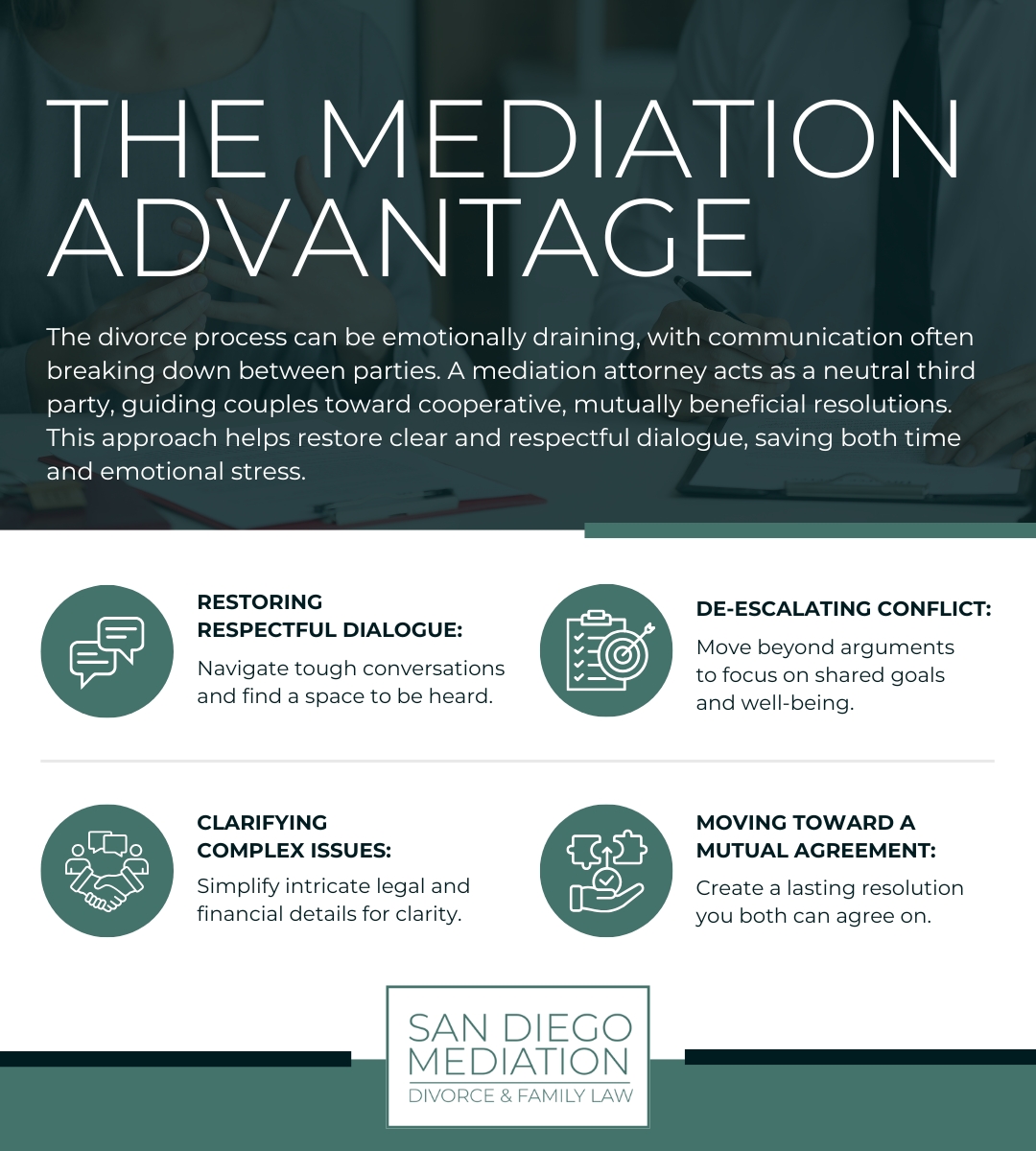
Our role is to enable parents to reduce tension by separating amicably. However, there are certainly ways to accomplish this same objective while maintaining the family and your relationship intact. Explore all your options while keeping your focus on your kids and what needs to be done to help them thrive and succeed.
While age does influence how children react to divorce, the level of conflict between parents is often a more significant factor. By reducing conflict and fostering a nurturing environment, parents can help their children navigate the challenges of divorce, regardless of their age. The focus should always be on the child’s emotional well-being and maintaining a strong, supportive framework as they adapt to new family dynamics.